MUSEUM OF SERTÃO:
the future of the past, imaginative methodologies, and open questions
The future of the past can be read as a productive paradox: not what comes after the past, but what the past is still capable of generating.
The past does not end—it persists, reappears, and demands reinterpretation. Its future lies in the ways it is narrated, contested, repaired, or reinscribed in the present. In contexts marked by coloniality, exclusion, and silencing, the future of the past is not static memory but a field of conflict: who is allowed to remember, who is allowed to forget, and who can transform inheritance into possibility. Thus, the future of the past is neither nostalgia nor linear progress. It is an open question: what do we do today with what still moves through us?
Cidade do Porto, 2019
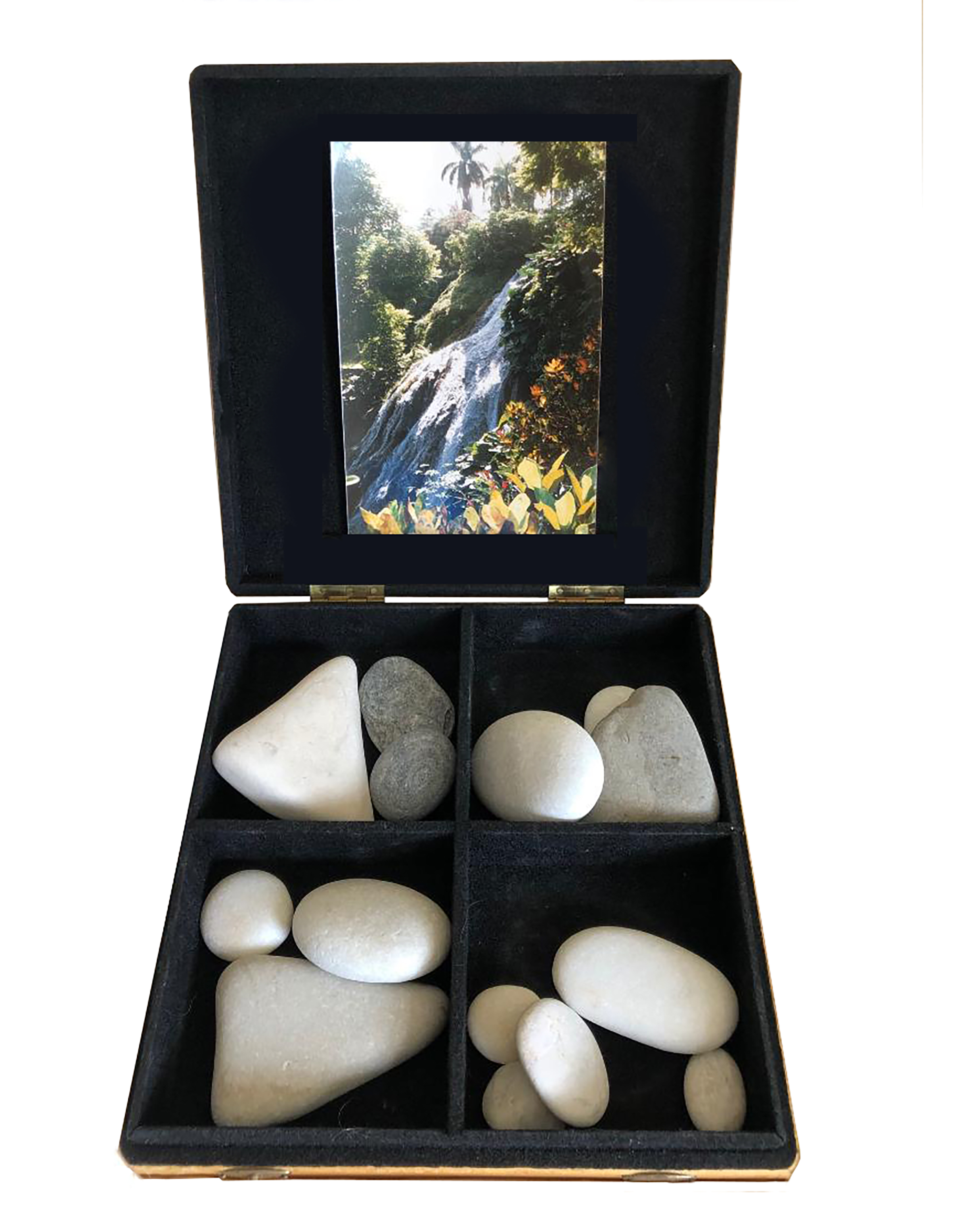
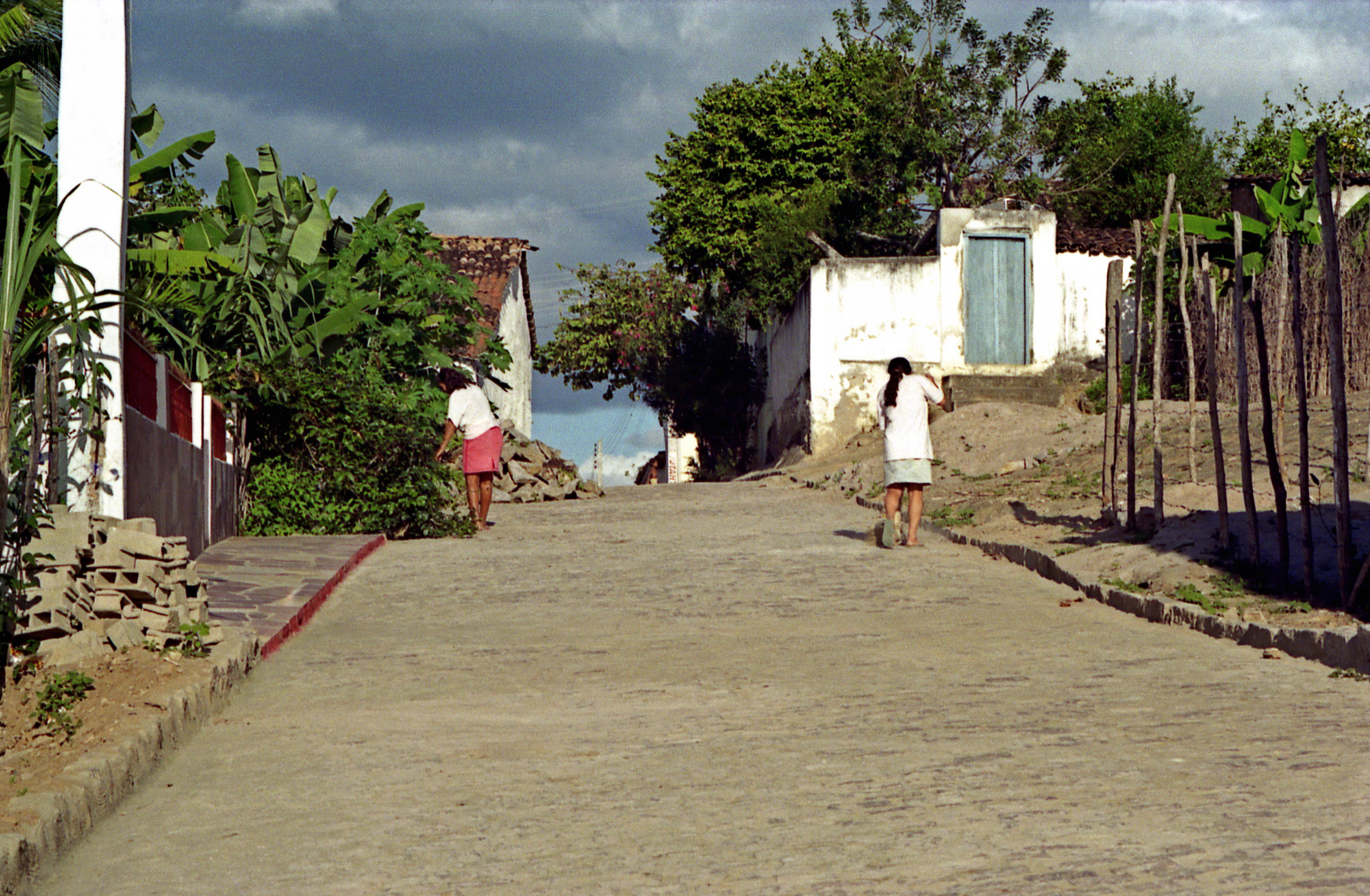
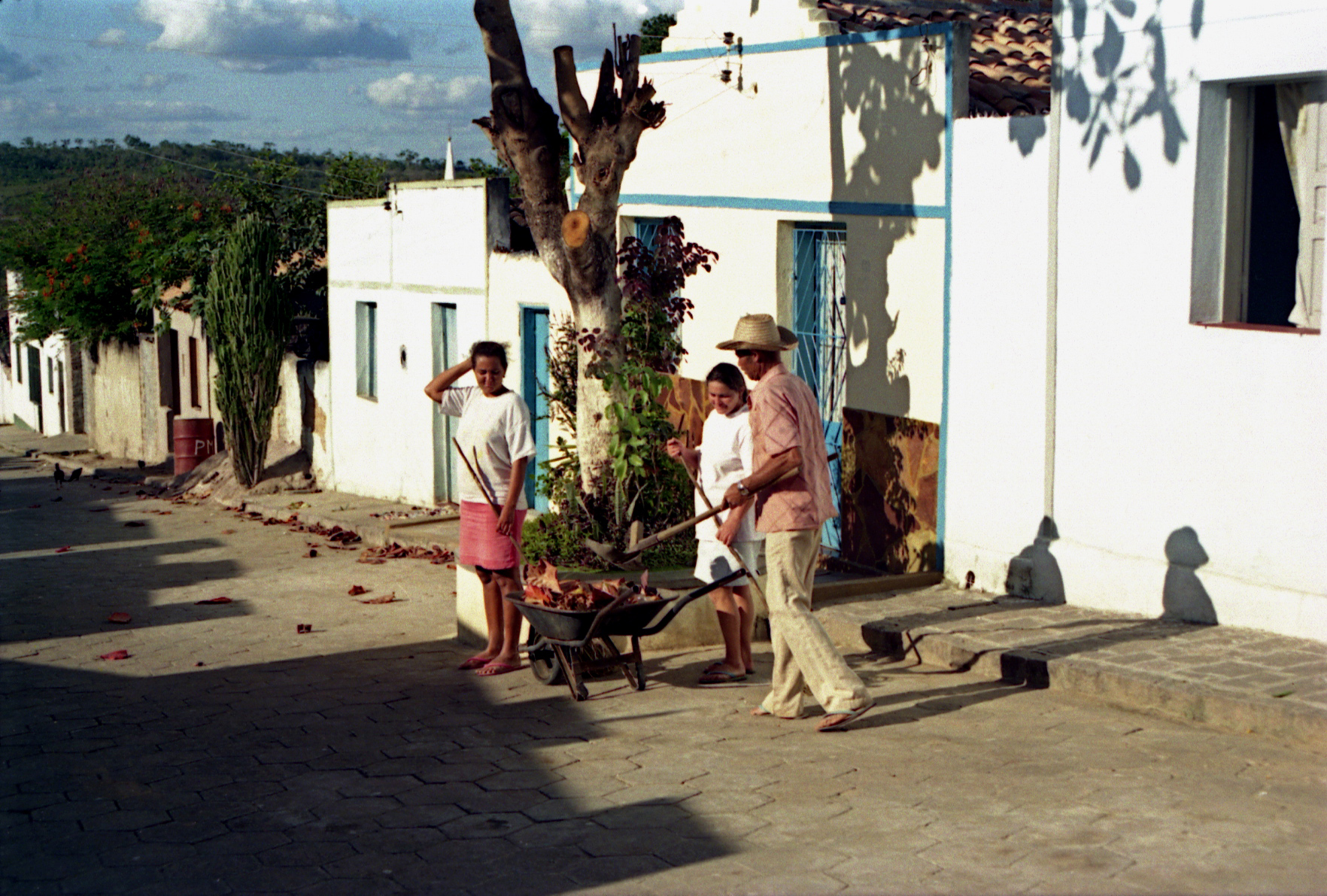
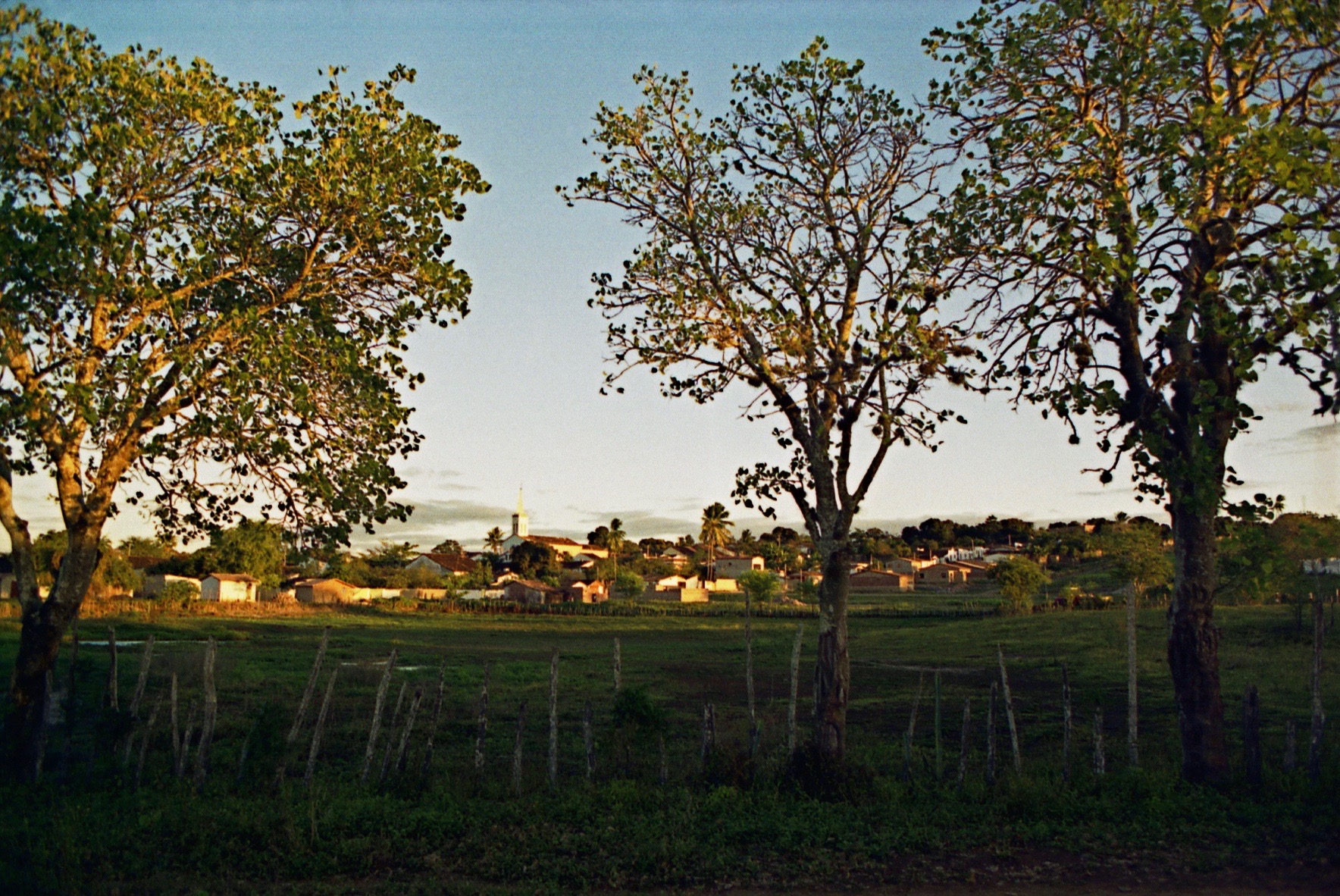
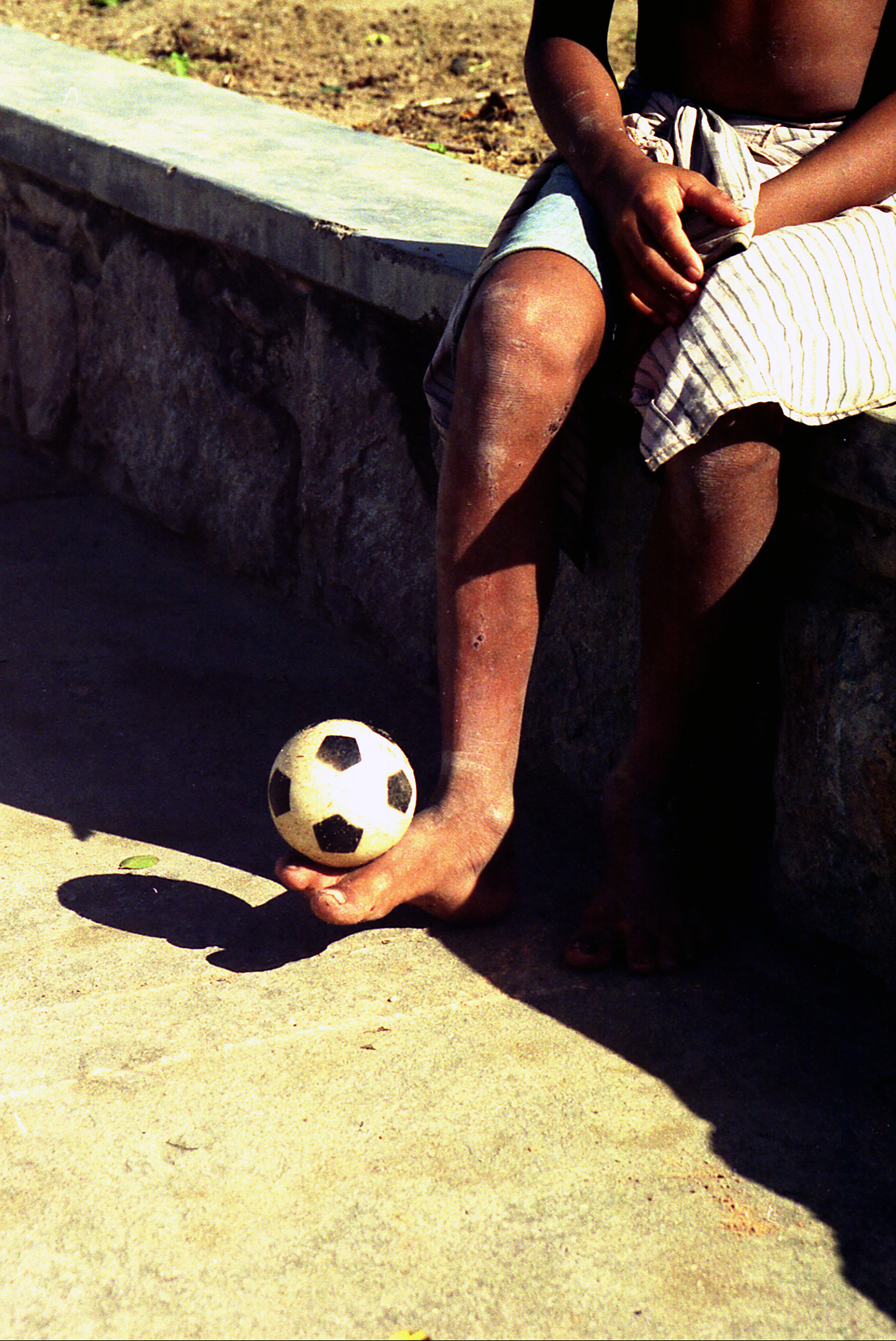
Macajuba, 1995
Article, drawings, film photography, appropriations
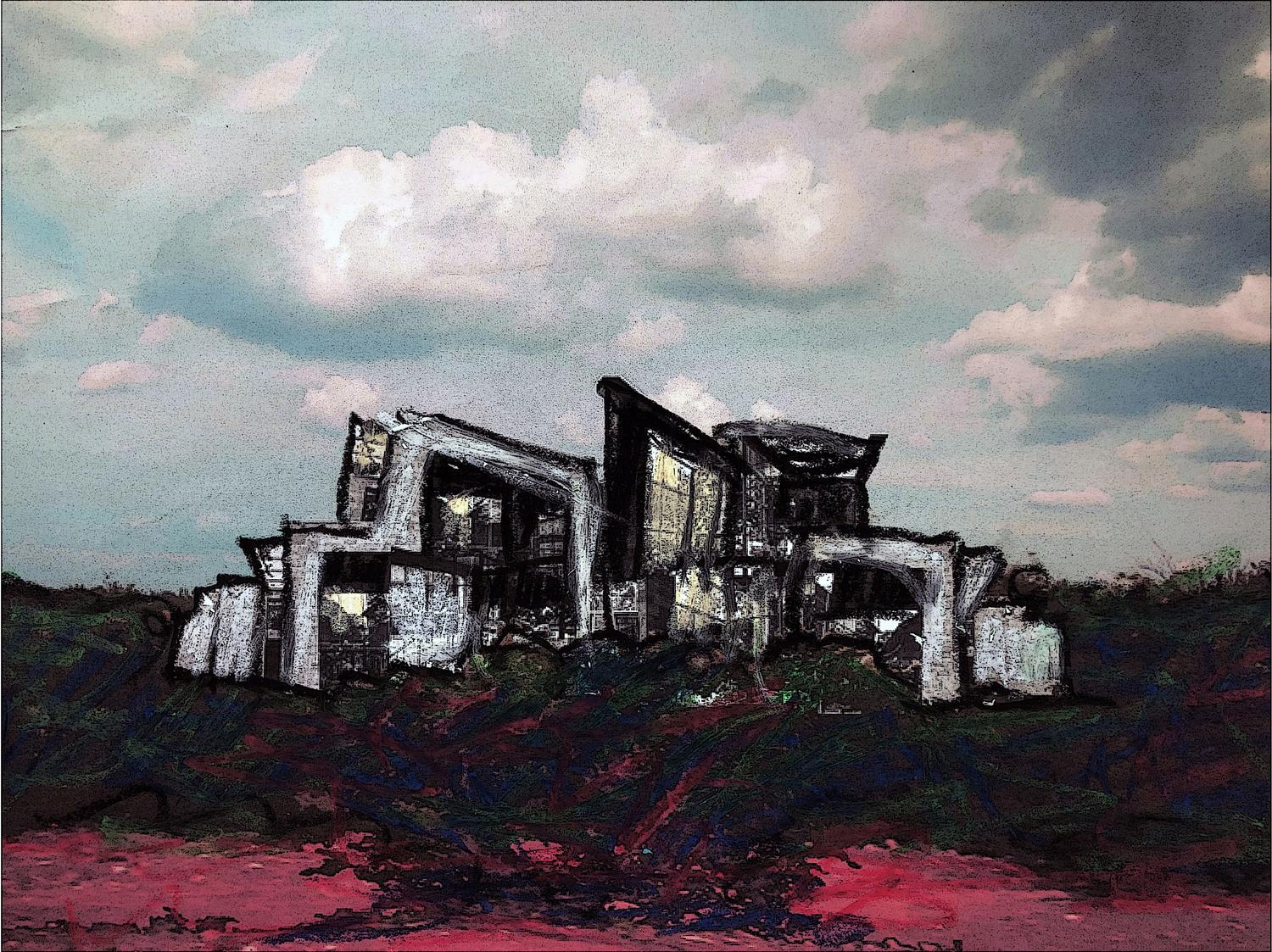
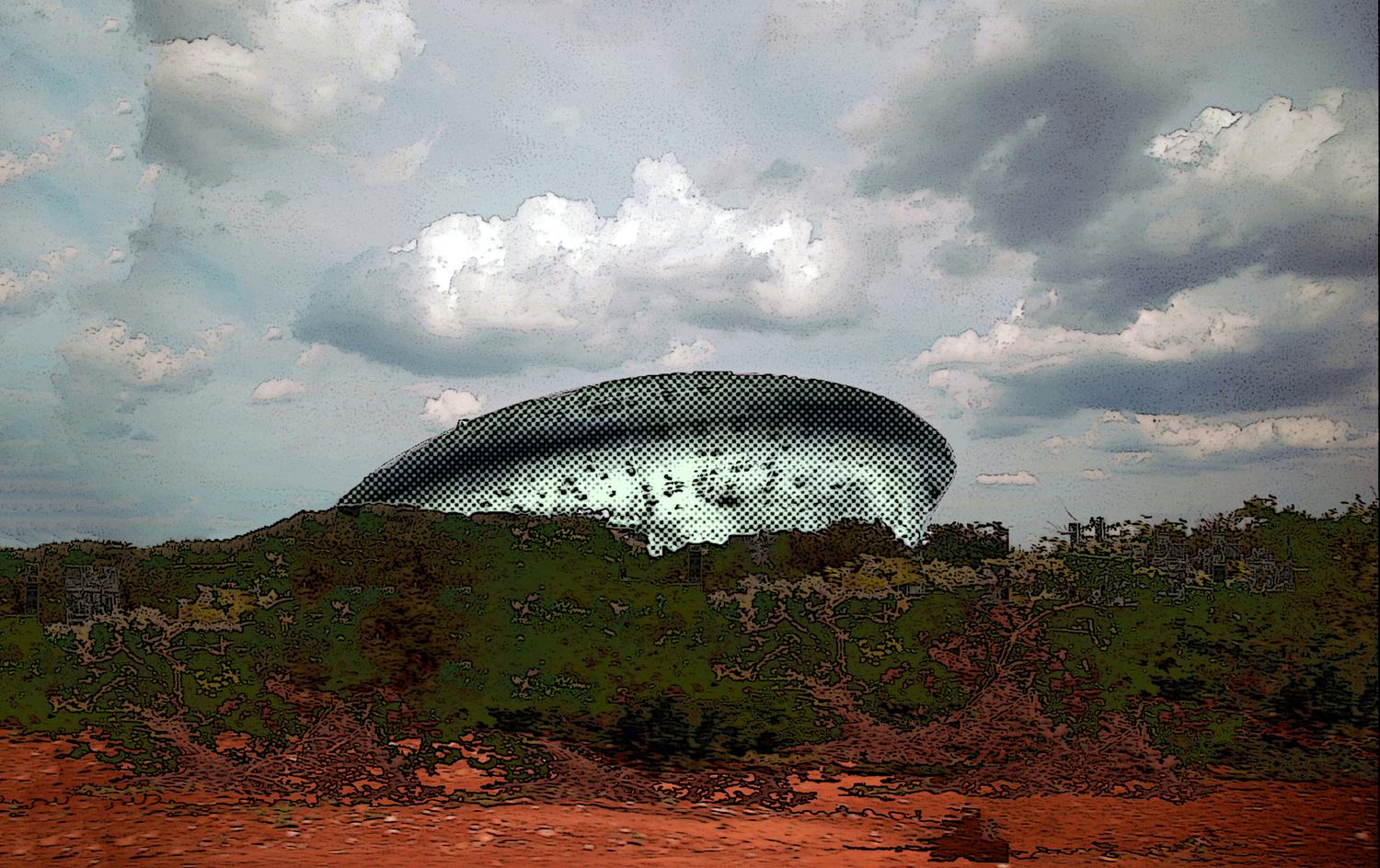
Imagining a locus to contain the universe where I come from is a poetic exercise to which I have dedicated myself since I began the artistic research “Histórias que Guardamos” (LANTYER, 2015), investigating the political and creative invisibility of women in the official history of the Brazilian region known as Sertão. In this article, I examine the perspectives of my own museum: the “Museu do Sertão”, as a political-artistic utopia, here reviewed under the words of artists and theorists, especially
Claire Bishop and her concept of the contemporary museum as a historical agent of transformation (BISHOP, 2013). Having two starting points: an architectural fiction and a radical anticapitalist museology, the “Museu do Sertão” is a poetic fabulation that contains in itself the impossibility of its very realisation. Situated in the field of the sensitive, the project is a subversive utopia, especially in the context of current Brazil, under the rule of fascist Jair Bolsonaro, who hates the Sertão and wants to obliterate it.
Click here for reading the article -->> Museu do Sertão (in Portuguese)
Click here for reading the article -->> Museu do Sertão (in Portuguese)
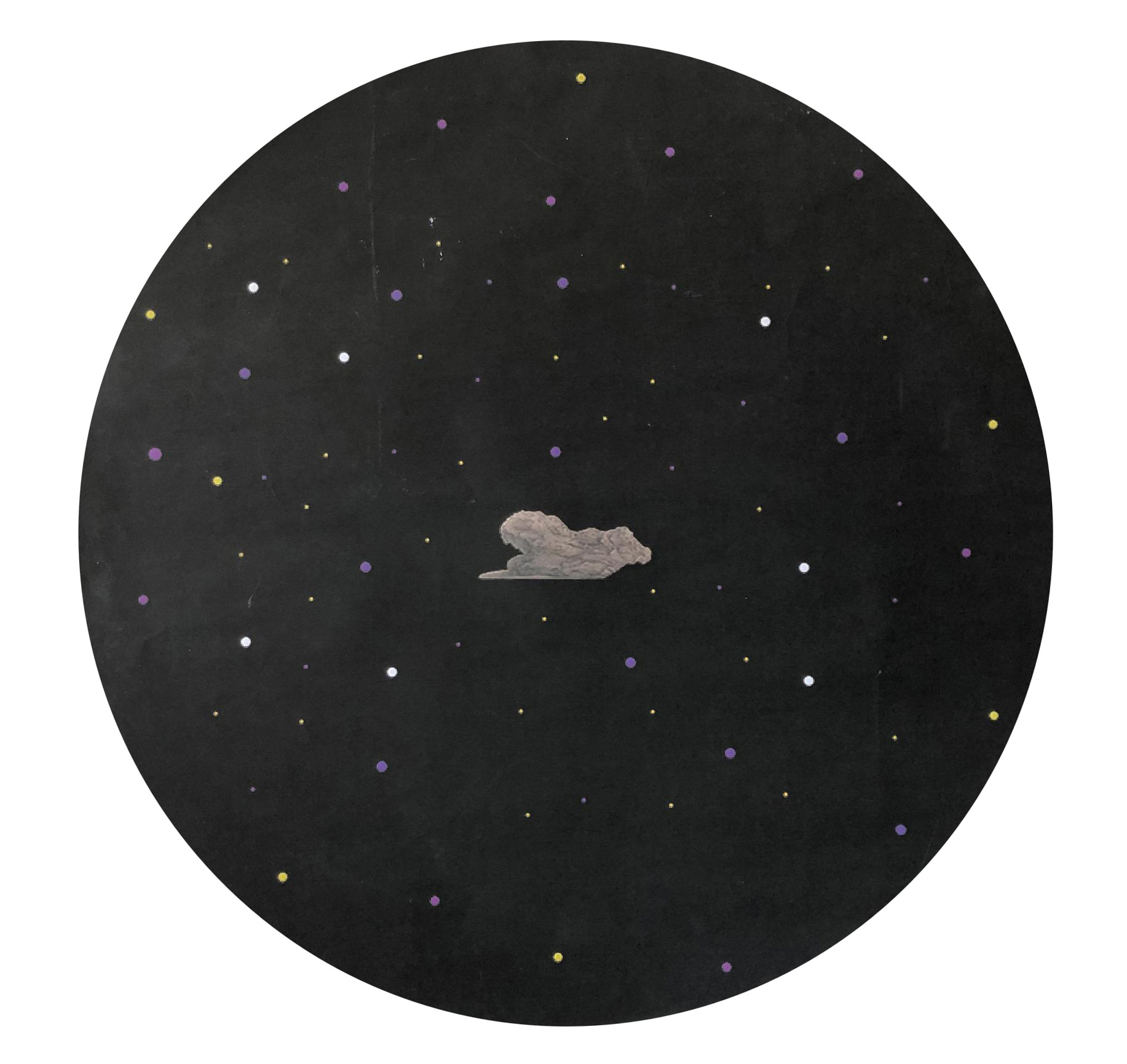
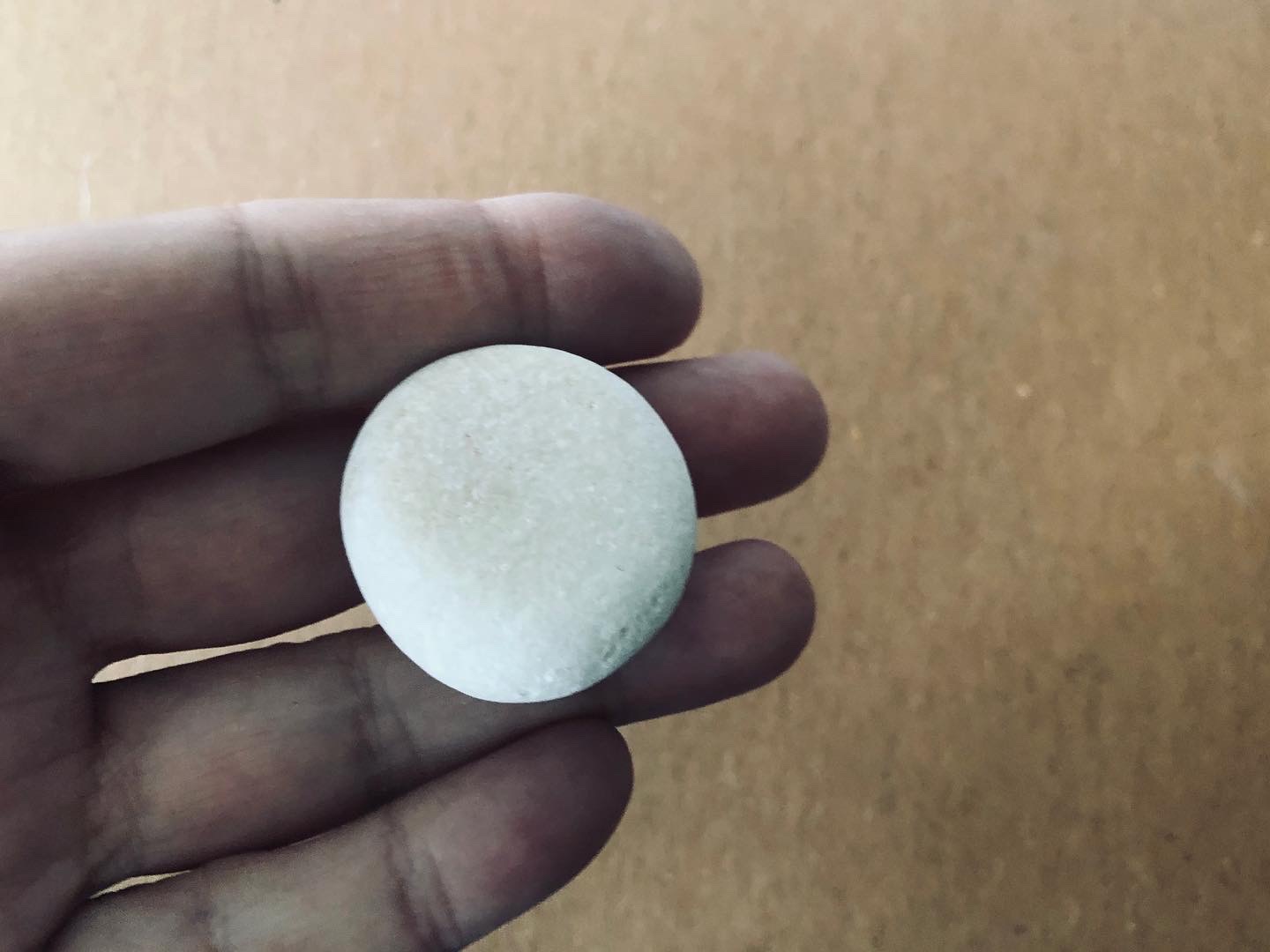
Cosmos, 2019
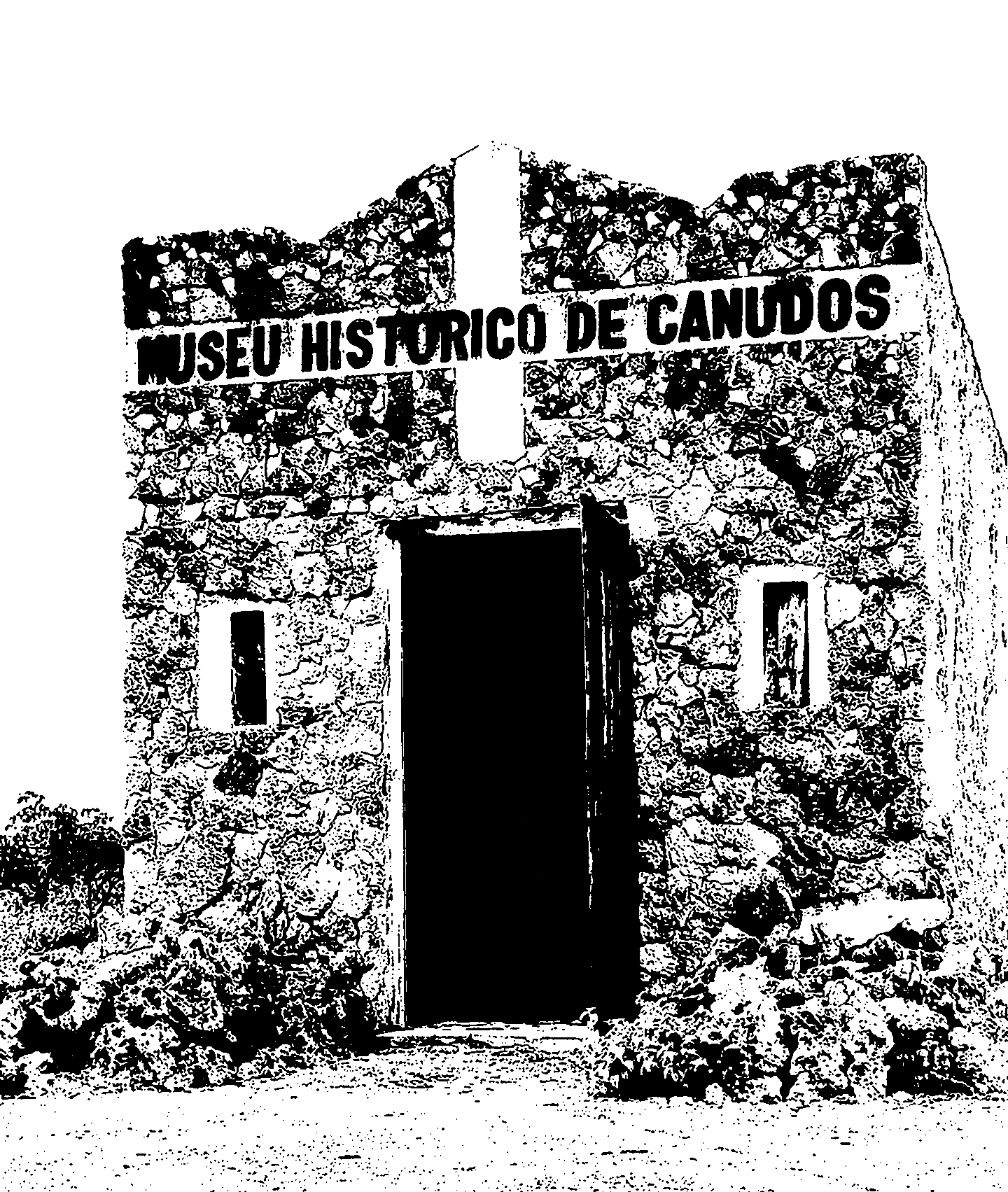
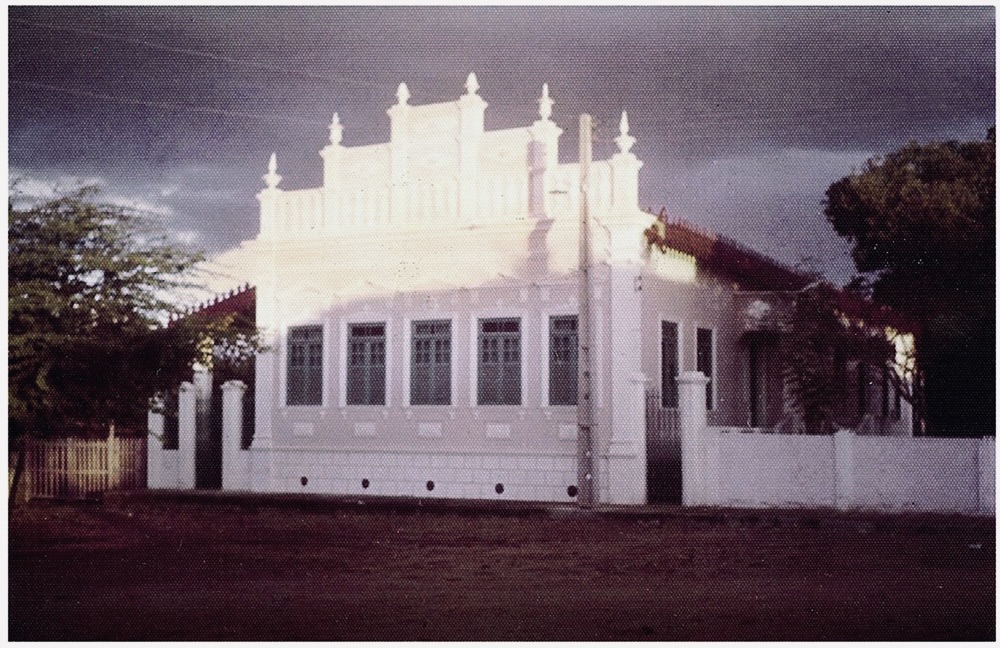
Museu Histórico de Canudos
Imaginar um locus para abranger o meu próprio universo pessoal é exercício poético ao qual me dedico desde que iniciei a pesquisa artística “Histórias que Guardamos” (LANTYER, 2015), cujos focos de investigação são a invisibilidade e o silenciamento político e criativo das personagens femininas na história oficial da região brasileira denominada Sertão. No presente artigo, examino as perspectivas do meu próprio museu, o Museu do Sertão, uma utopia político-artística aqui revisada à luz de artistas e teóricos, dentre os quais Susan Hiller e sua “arte museológica” e Claire
Bishop com sua visão do museu contemporâneo como agente histórico de transformação (BISHOP, 2013). Partindo de duas condições fundamentais - uma ficção arquitetônica e uma museologia radical, anticapitalista e anti-opressão - este Museu do Sertão é uma fabulação poética que contem em si mesma a própria impossibilidade, pois que, situada no campo do sensível, é utópica e subversiva, especialmente no contexto do Brasil atual, sob o governo do fascista Jair Bolsonaro que odeia o Sertão e deseja obliterá-lo.
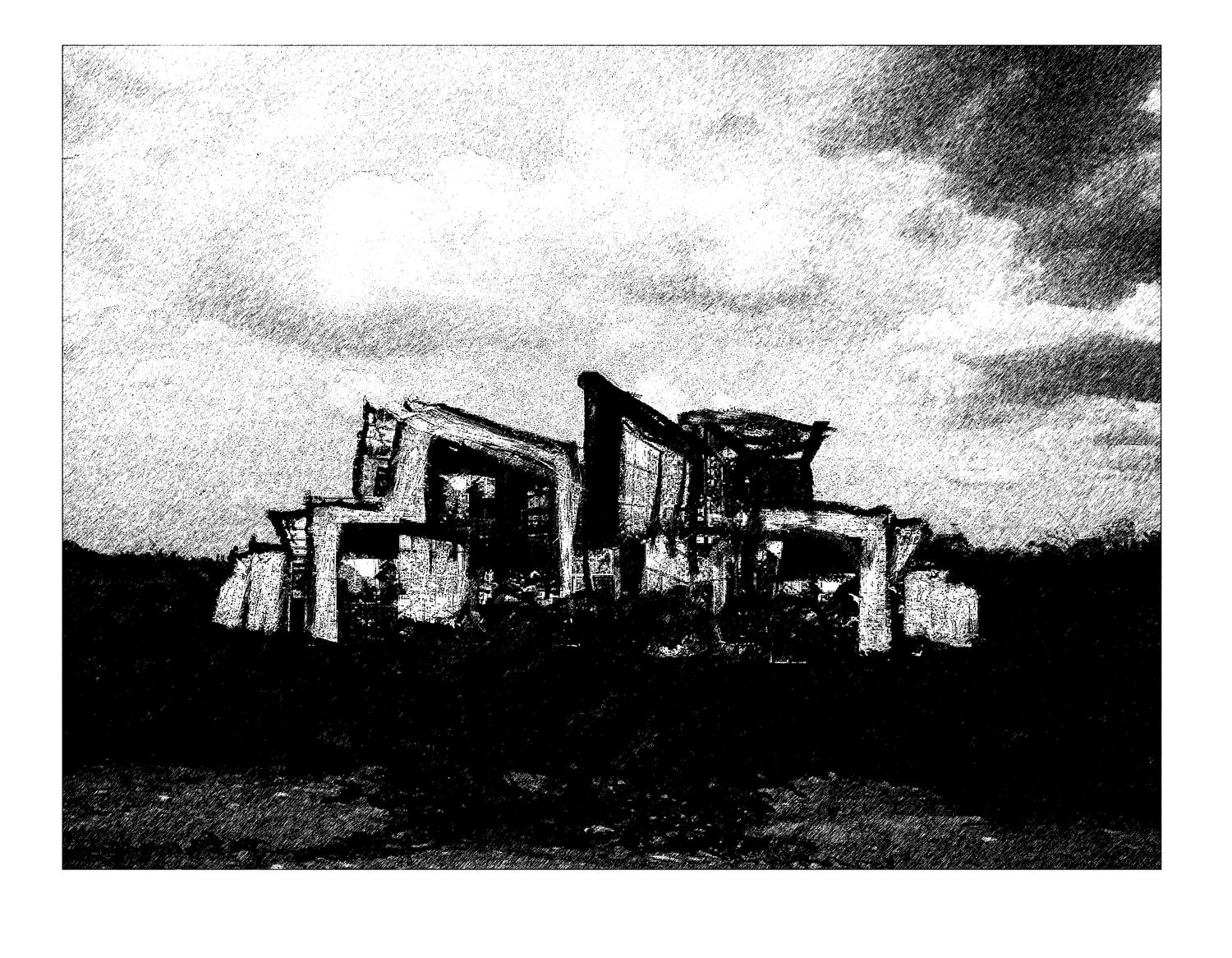
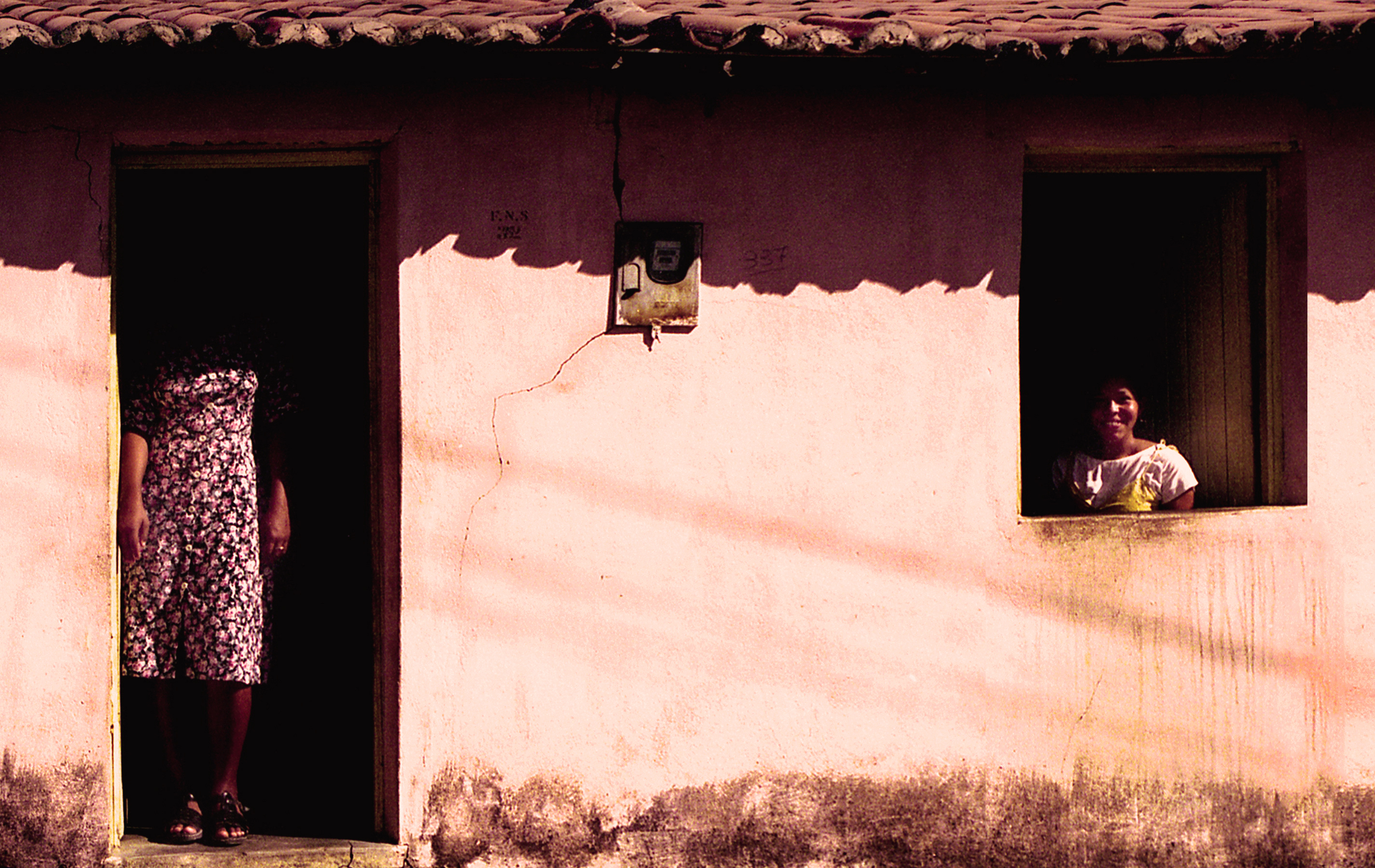
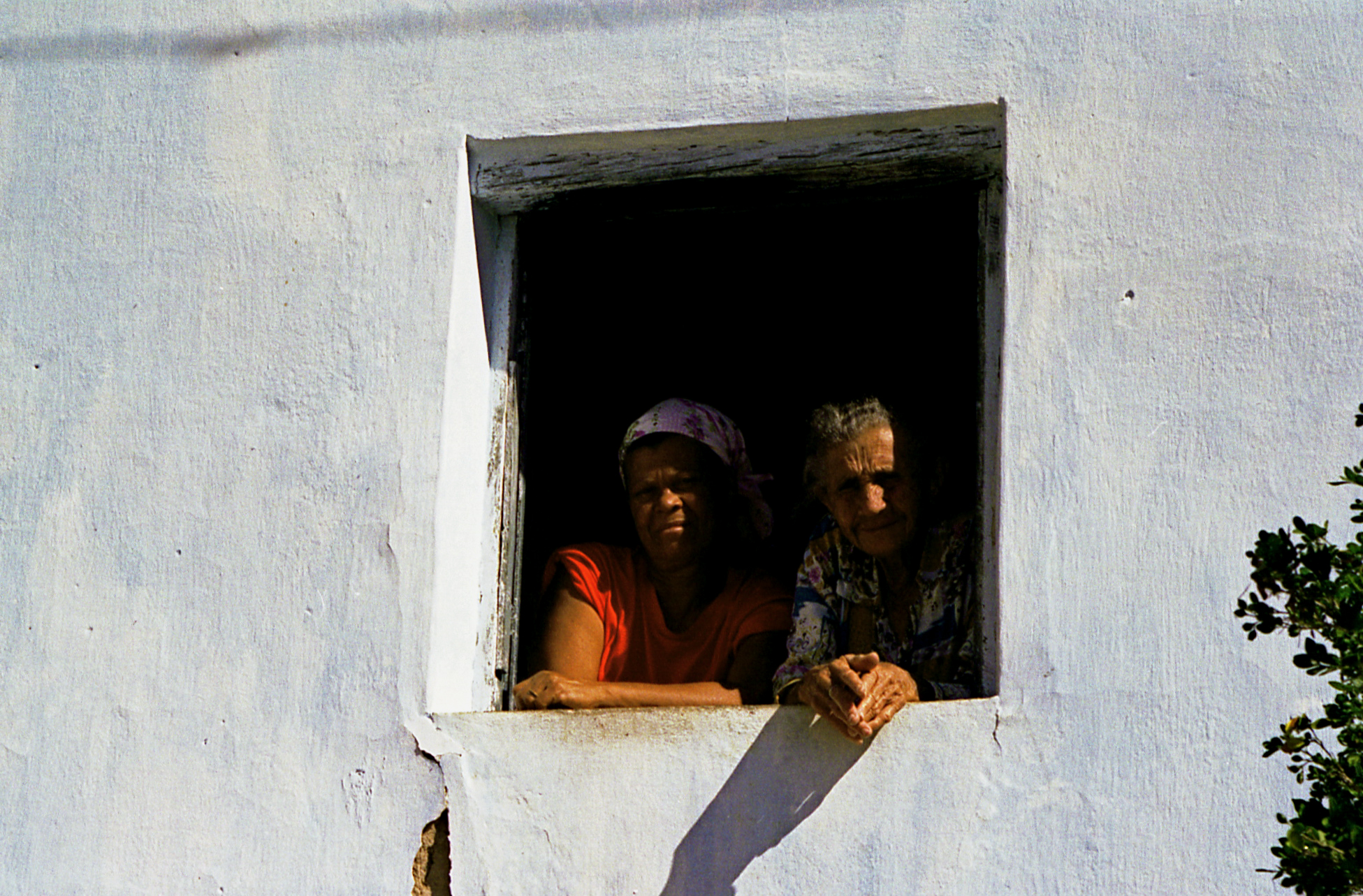
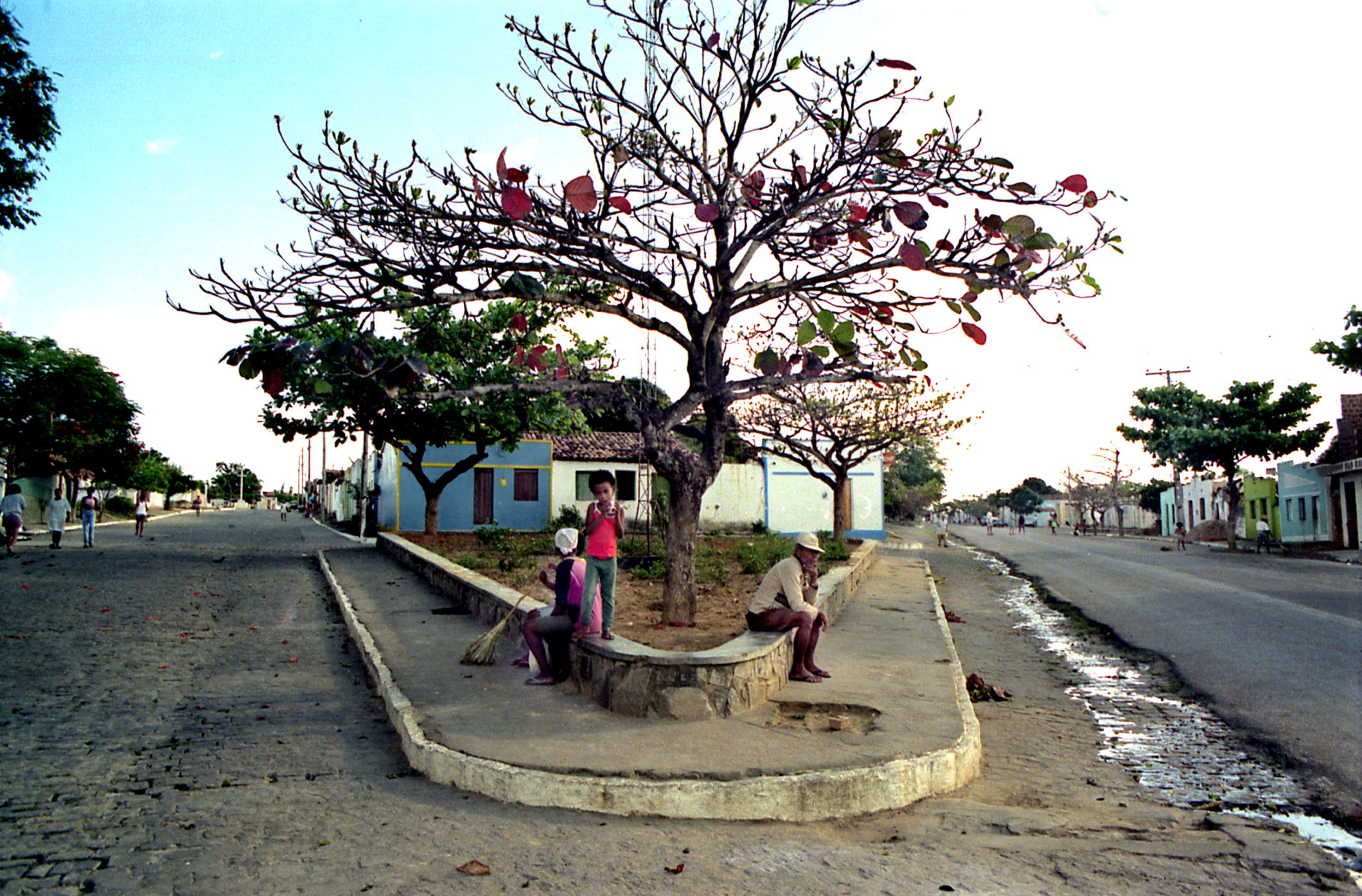

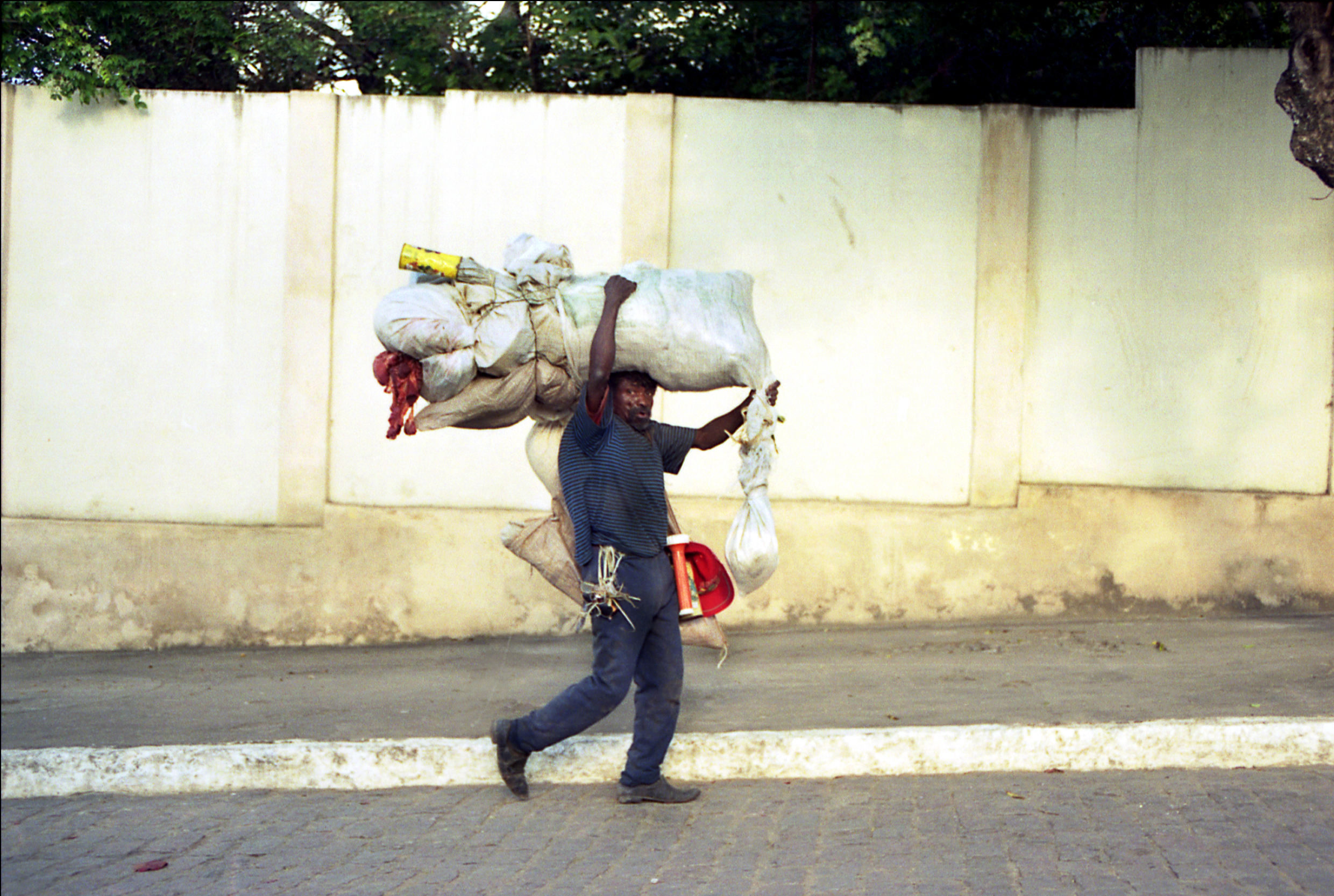
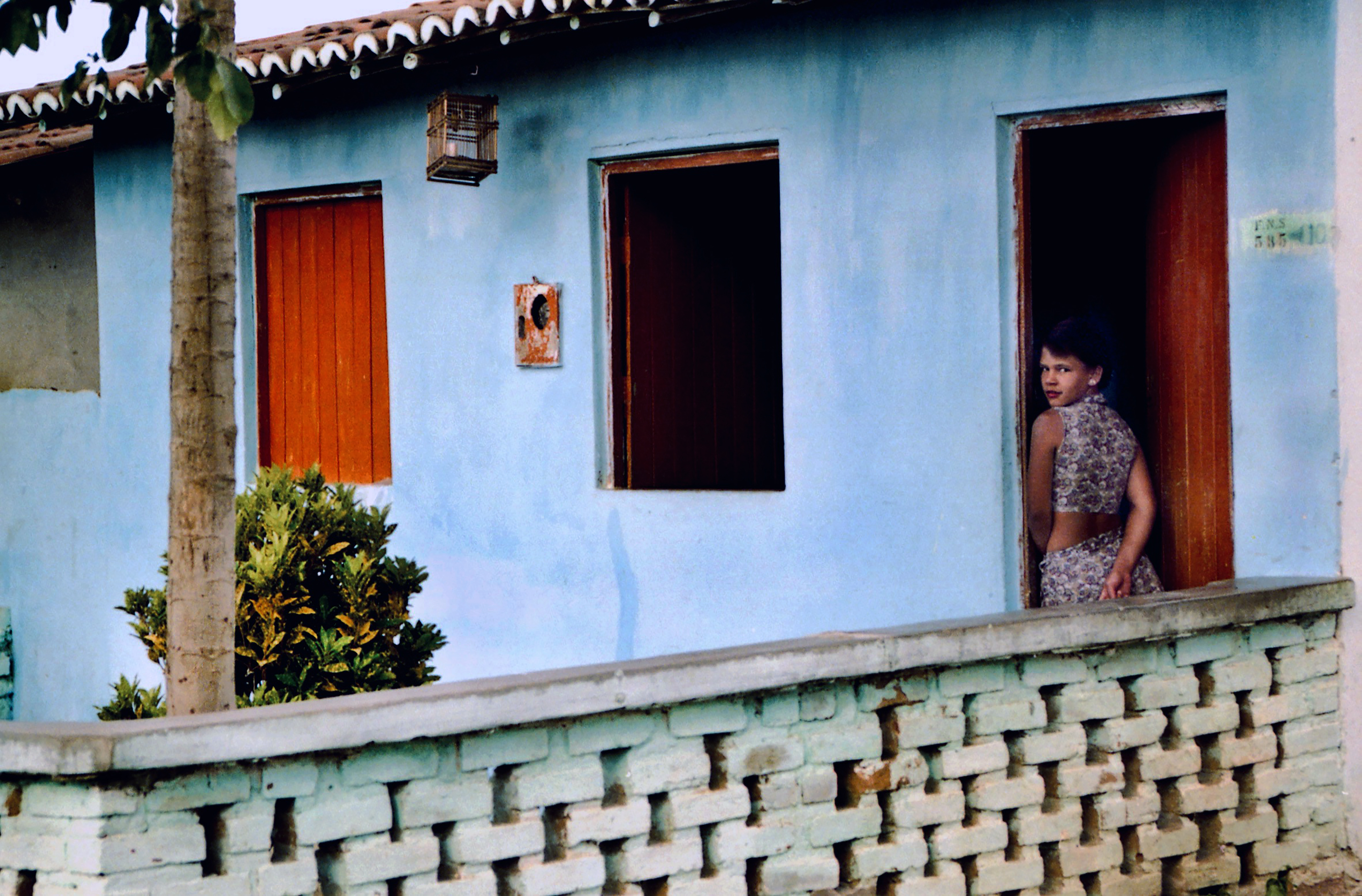
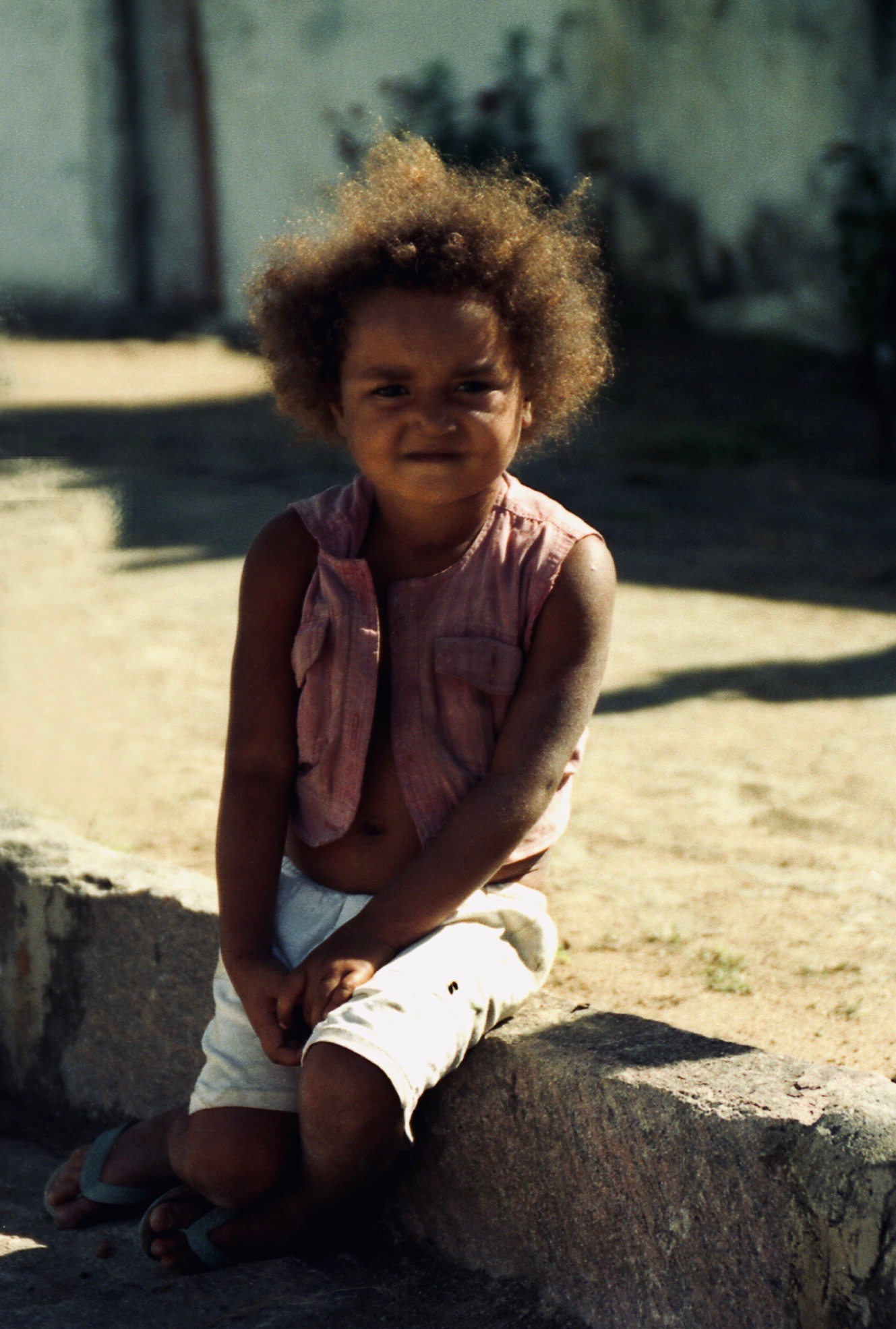
Macajuba-BA, 1996

O futuro do passado pode ser lido como um paradoxo produtivo: não aquilo que virá depois do passado, mas aquilo que o passado ainda é capaz de gerar.
O passado não termina — ele persiste, reaparece, exige releitura. Seu futuro está nas formas como é narrado, disputado, reparado ou reinscrito no presente. Em contextos marcados por colonialidade, exclusão e silenciamento, o futuro do passado não é memória estática, mas campo de conflito: quem pode lembrar, quem pode esquecer, quem transforma a herança em possibilidade.
Assim, o futuro do passado não é nostalgia nem progresso linear. É uma pergunta aberta:
o que fazemos hoje com aquilo que ainda nos atravessa?
O passado não termina — ele persiste, reaparece, exige releitura. Seu futuro está nas formas como é narrado, disputado, reparado ou reinscrito no presente. Em contextos marcados por colonialidade, exclusão e silenciamento, o futuro do passado não é memória estática, mas campo de conflito: quem pode lembrar, quem pode esquecer, quem transforma a herança em possibilidade.
Assim, o futuro do passado não é nostalgia nem progresso linear. É uma pergunta aberta:
o que fazemos hoje com aquilo que ainda nos atravessa?