Color photographs
Image projection + audio
2005
There is an internal landscape,
a geography of the soul;
we search for its outlines
all our lives.
Those who are lucky enough
to find it easy like water over a stone,
onto its fluid contours,
and are home.
a geography of the soul;
we search for its outlines
all our lives.
Those who are lucky enough
to find it easy like water over a stone,
onto its fluid contours,
and are home.
Some find it
in the place of their birth;
others may leave a seaside town, parched,
and find themselves refreshed
in the desert.
There are those born in rolling
countryside
who are really only at easy
in the intense and busy loneliness
of the city.
in the place of their birth;
others may leave a seaside town, parched,
and find themselves refreshed
in the desert.
There are those born in rolling
countryside
who are really only at easy
in the intense and busy loneliness
of the city.
For some,
the search is for the
imprint of
another;
a child or a mother, a grandfather
or a brother,
a lover, a husband, a wife,
or a foe.
the search is for the
imprint of
another;
a child or a mother, a grandfather
or a brother,
a lover, a husband, a wife,
or a foe.
We may go through our lives
happy or unhappy,
successful or unfulfilled,
loved or unloved,
without ever standing cold with
the shock of recognition,
without
ever feeling the agony
as the twisted iron in our soul
unlocks itself
and we slip at last
into place.
_Josephine Hart (Damage)
happy or unhappy,
successful or unfulfilled,
loved or unloved,
without ever standing cold with
the shock of recognition,
without
ever feeling the agony
as the twisted iron in our soul
unlocks itself
and we slip at last
into place.
_Josephine Hart (Damage)

_______________________
ABOUT THE WORK:
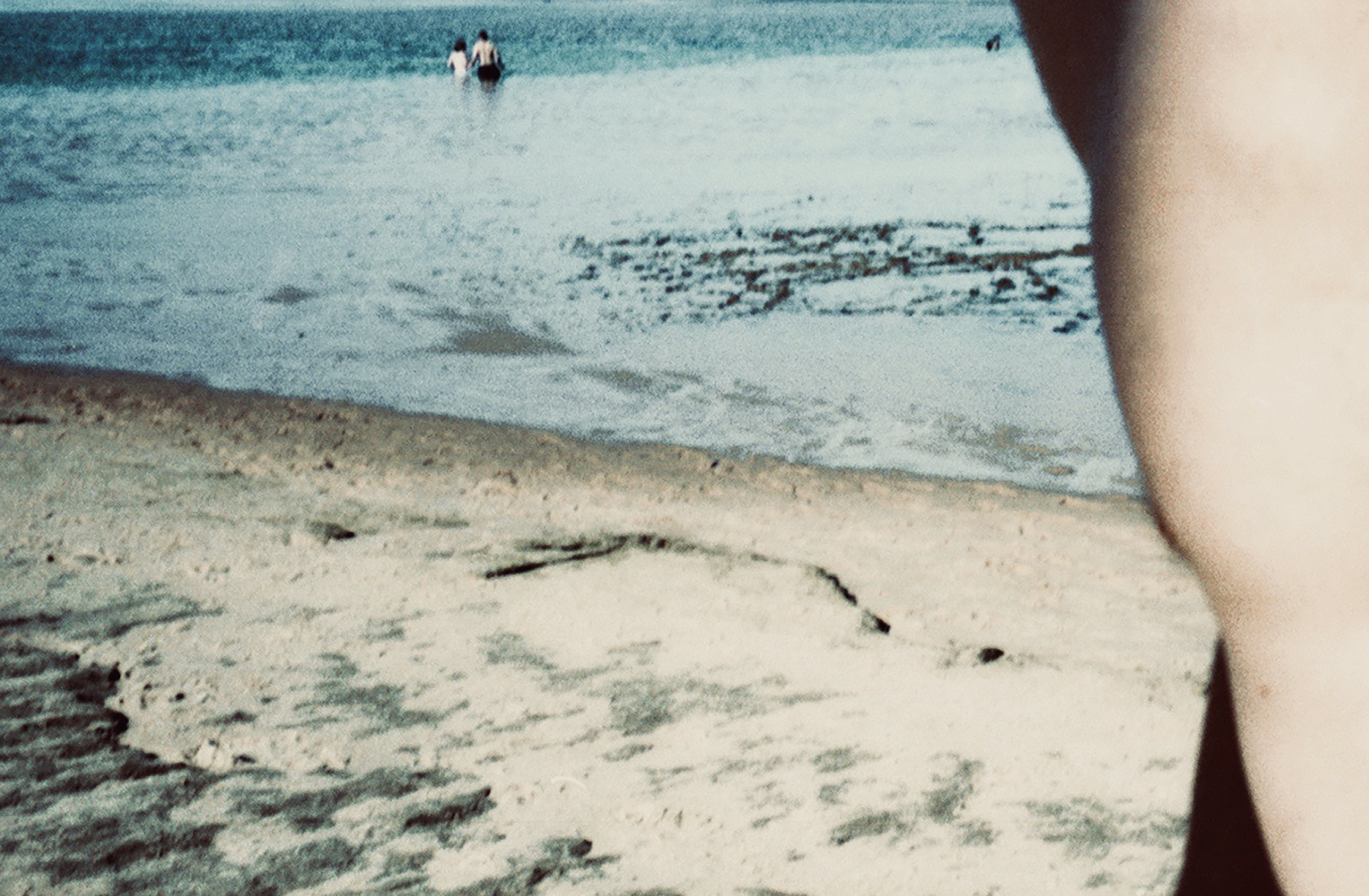
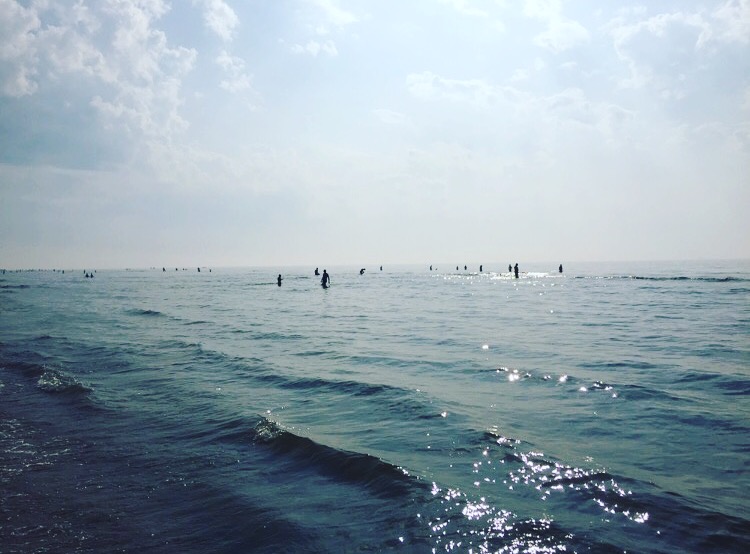
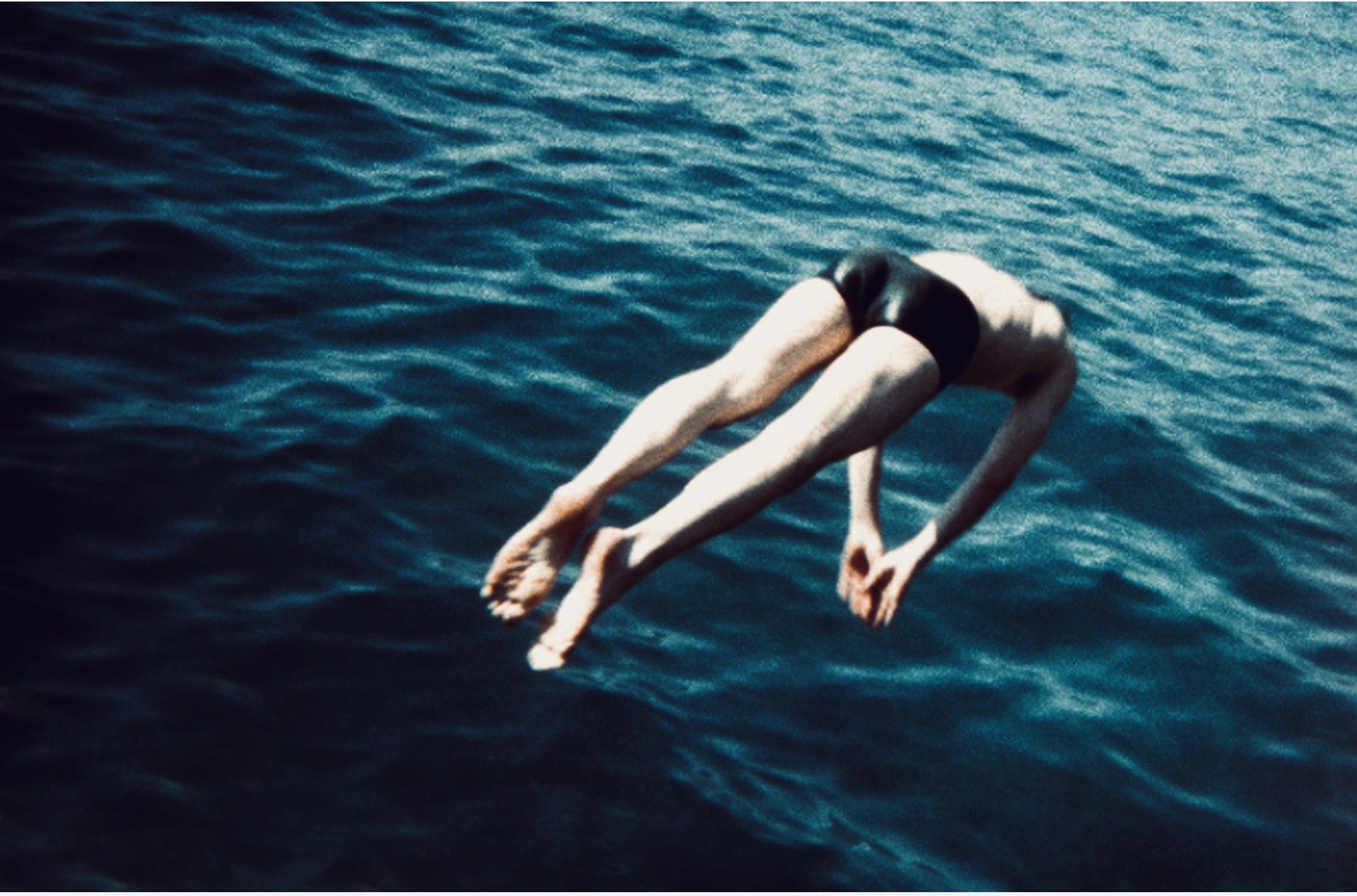
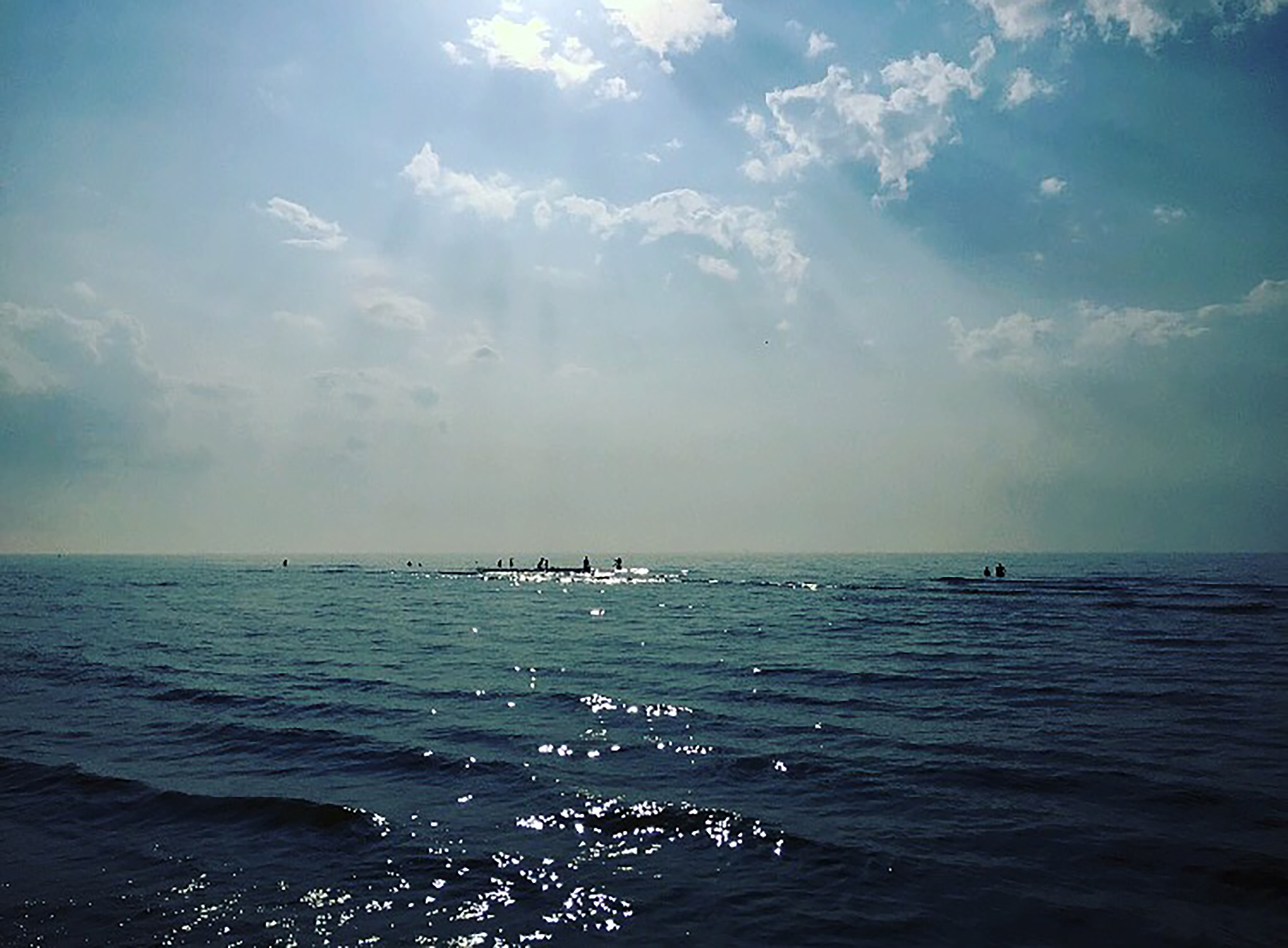
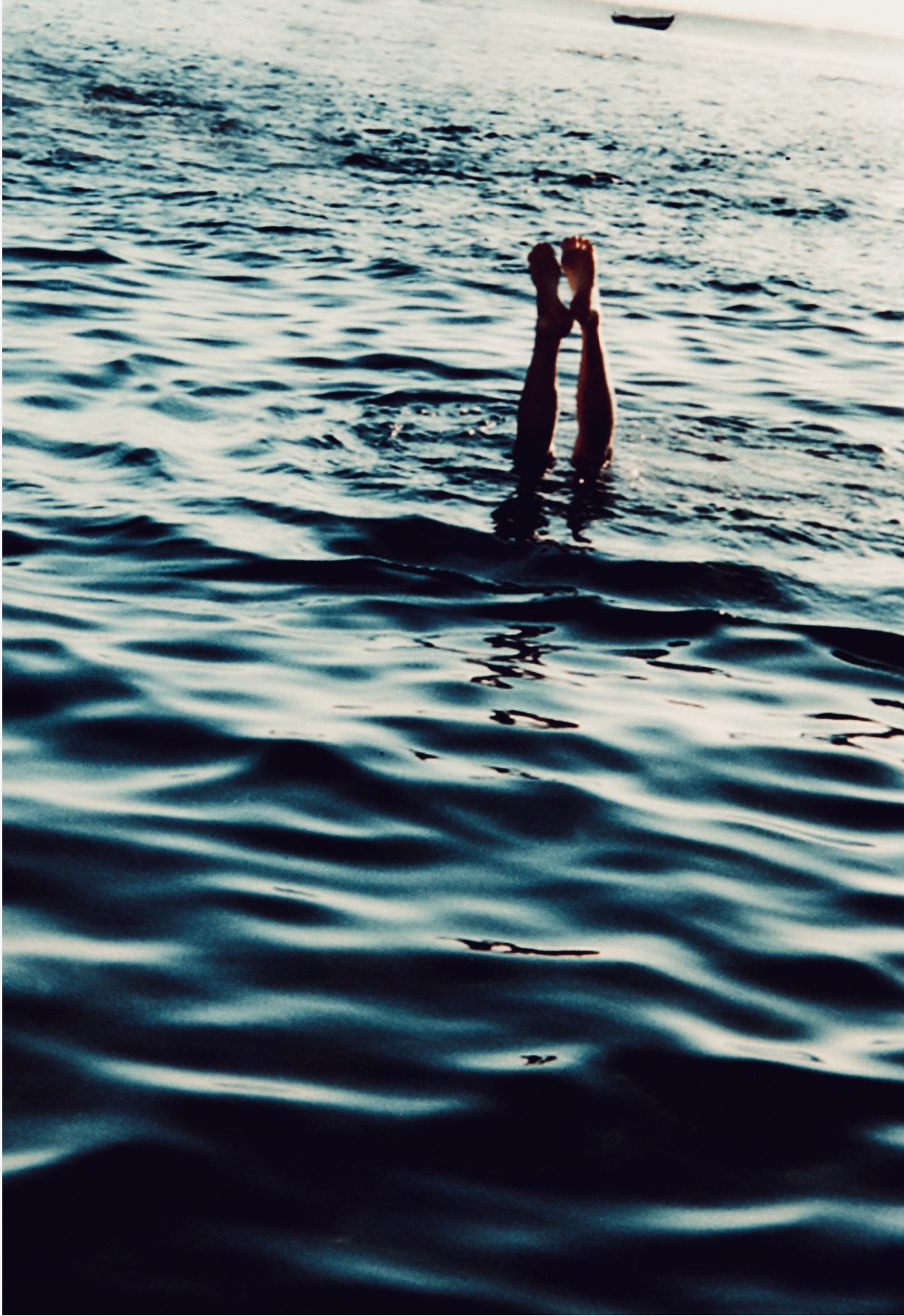
This audiovisual installation combines a photographic projection with a *reading of the poem Damage by English author Josephine Hart. The work examines the quest for belonging and the condition of displacement, prompting reflection on the complexities of diaspora, migration, identity, and exile through an interplay of image and voice.
I discovered this poem in one of the first books I bought after migrating. It was a beautifully produced volume bringing together photography and literature: each page paired a black-and-white portrait of an author with an excerpt from their writing. As someone who has always loved literature and maintained a lifelong engagement with photography, the book became one of my favorites during the early years of my new life in Europe.
There were only a few women featured in the collection. Josephine Hart was portrayed in a deeply emotional photograph, and her poem haunted me from the very first reading. I immediately recognized something of myself in its words. Ever since, the poem has remained with me, resurfacing whenever I reflect on my own life and journey.
However, my connection to Hart has remained a platonic one, as I never reached out to tell her how profoundly her poem became woven into my life and artistic journey. Its words accompanied me through many years, offering a lens through which I could understand my own experiences of migration, displacement, and belonging.
This photo series, created during my early years as a migrant artist, was the first work in which I incorporated the poem, but it was not the last. Damage continued to resonate throughout my practice, reappearing in subsequent works and becoming a recurring point of reference in my exploration of identity, memory, and place.
*Readings are in English and Portuguese.
______________